Living in Crete - a dream destination and perfect location...
Living in Crete is a dream that some make a reality. Whether you want to live in Crete full time and permanently or you want to a holiday home to spend part of the year on this wonderful Greek Island.
Rules and fees last checked: October 2026. Always confirm with the official source before you act.
There are lots of expats living in Crete from all nationalities. Many of the expats living in Crete are from the UK.
People who want to live in Crete are drawn to it because of the many attractions of Crete.
Combine this with the wonderful weather, high average temperature in Crete, very low crime rate, friendly and welcoming Cretans and wonderful scenery it comes as no surprise that the largest of the Greek Islands is so very popular with expats.
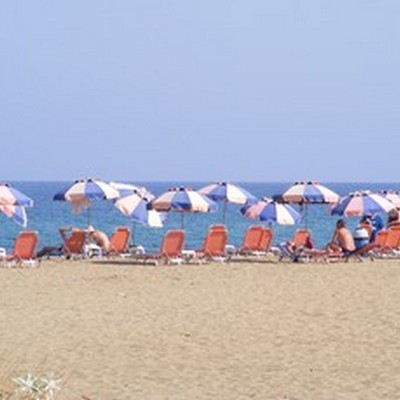
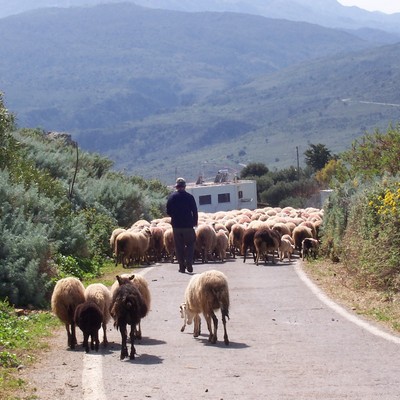
There is lots to consider if you want to live in Crete either full time or part time. Whether you are considering moving to Crete, have children and/or have pets to think about, wondering how you can make your living here or just looking forward to retirement in the sun.
Greek bureaucracy can be a minefield in relation to renting or buying Crete property, dealing with utility companies, health care, day to day life in Crete and exploring Cretan culture and customs.
Crete Property
Living in Crete and perhaps buying a property in Crete is a dream shared by many.
Long lazy days spent by the seashore. A relaxed stress free lifesyle and a wonderful home to live in are so appealing. There is plenty of choice of Crete property for sale or to rent, making living in Crete a reality rather than just a dream.
Demand for Crete properties is not just for holiday homes, but also for people who are moving to Crete permanently.
Many are drawn to Crete because of its unique mixture of culture, tradition and laid-back charm, with all the amenities of modern living available.
Crete has a very low crime rate. Crete has excellent hospitals, schools and universities, while opportunities to start a business are growing in the travel and tourism industry and in property development, making living in Crete a viable option.
Unlike smaller Greek islands, Crete doesn’t depend solely on tourism, and many people now choose to live in Crete all year round, as many restaurants, shops and bars stay open throughout the winter. Residents who pay Greek social insurance, and UK State Pensioners with a registered S1 form, use the Greek state health system.
Buying a property in Crete can also be a sound investment for property buyers. Property is generally cheaper than Spain, France and Italy.
See our Crete Property section for more on what, where and why you should rent or buy Crete property.
Health Care in Crete
Expats usually find they become far healthier in Crete than in their home countries. This can be put down to a stress free lifestyle, long walks in the countryside admiring the flora and fauna, swimming in the ocean and enjoying fresh local food from the Cretan Diet.
Health cover in Crete depends on whether you visit or live here. Our guide to health care in Crete covers doctors, dentists and hospitals, the UK GHIC for visitors, and the S1 form and EOPYY registration for residents.
Greek Bureaucracy
If you are planning on living in Crete permanently, there are obviously many things to consider. Sometimes, the bureaucratic processes involved will put some people off, such as dealing with the utility companies, setting up bank accounts and transferring money to and from Greece. Residence permits and tax matters concern many people too, especially UK nationals since Brexit.
None of these are big problems though and all can be overcome, and it is true that the bureaucratic processes in the UK are just as bad, except that it's easier when you speak the language!
Many expats find that the red tape is a small price to pay for living on such a wonderful Greek Island.
Residence permits, the Greek tax number (AFM) and registration for health care are the main pieces of paperwork for a move to Crete. Each one is explained on this page, with a link to the official source.
Moving to Crete
If you’ve yet to make your mind up about moving to Crete or already making plans then check out our Moving to Crete section covering all you’ll need to know about the logistics about relocating to Crete, importing a car, bringing pets to Crete, learning Greek and schools in Crete.
Making a living in Crete
Check out the appropriate links if you are thinking about finding employment in Crete, starting a business in Crete or funding your dream.
Day to Day life
Settling in to a new way of life, dealing with Greek Bureaucracy and the day to day issues that crop up, all can seem daunting at first.
The everyday tasks include paying bills, getting a residence permit and collecting your post.
And if you have children you will need to look into schools in Crete and their health needs.
Worried about missing your favourite TV programmes? Check out our very informative TV in Crete page.
Getting and using the Internet may be very important for you, particular, if you need it to make your living in Crete.
The Internet is widely available in Crete with ADSL or Broadband in most areas.
To see more information on getting a telephone, mobile phones and the Internet check out our Internet in Crete page.
A Greek residence document is needed for many everyday tasks. We needed our residence permit to buy a car in Crete, as we decided against importing a car to Crete.
One of the things you will need to do if you are hoping to live in Crete is to open a Greek bank account.
See how on our opening a bank account in Crete page.
And for your day to day shopping see our shopping in Crete guide. For all you need to know on the Farmers markets in Crete, supermarkets and clothes shops, electrical appliance and furniture stores etc.
Customs & Culture
Crete has a fascinating culture, and its people have a varied heritage of influence from advanced cultures and civilisations in the ancient world.
The friendliness of the Cretan people to visitors is renowned. There is even a Greek word for it - philoxenia - meaning to be friendly to those who you don't know. And make no mistake, this friendliness is not just reserved for tourists – it is genuine, old-fashioned kindness and hospitality. Step into many pretty Cretan villages and you step back in time, where genuine warmth far outweighs the cold hostility unfortunately found in many places these days. A virtually crime free Crete bears witness to this.
See more about the Cretans and their culture & customs and just why we love Crete so much.
Getting to Crete
Crete is still a tempting prospect for anyone looking for a holiday home in the sun, despite recent economic woes.
Many things are still cheaper here, such as local fresh foods, rents and property. If you are looking for a holiday home, then Crete is a growing market and has a lot going for it.
Getting to your accommodation in Crete in the summer is easy with many of the cheapest flights to Crete airports (Heraklion and Chania) flying from several UK airports. Cheap flights from Crete to the UK are also readily available.
In winter you would need to pick up connecting flights in Athens or travel from Piraeus to Crete by sea and enjoy an overnight trip sleeping in a comfortable cabin on an ultra modern and up market large ferry. Crete Ferries run by Minoan Lines and Anek are recommended and take you to the ports of Chania or Heraklion.
Christmas in Crete can be far less stressful than in the UK! And with over 300 days of sunshine a year the weather in Crete in winter can be very pleasant making living in Crete even better.
Day-to-day prices matter as much as the weather. Our guide to the cost of living in Crete covers bills, phones and the internet.
Living in Crete
So if you are thinking about living in Crete and buying your very own place in the sun, maybe its time to do it now. Why not book cheap flights to Crete and book into a hotel. With so many coastal towns and villages to choose from, it won’t be difficult to find your perfect location to start your life in Crete. So why not rent a car for a week or two and travel around this wonderful island of Crete.
Residence Rules for UK and Other Non-EU Nationals
UK nationals who move to Crete now need a Greek visa before they arrive and a residence permit after they arrive, unless they lived in Greece before 1 January 2021. GOV.UK's Living in Greece guide says most people apply for a national (Type D) visa before they travel, then apply for a temporary residence permit in Greece. Greek visas cover work, remote work as a digital nomad, study, joining family and retirement.
Within 90 days of arrival, you register your address in person with your regional Hellenic Police branch and apply for the temporary residence permit, according to GOV.UK. After 5 years on a temporary permit, you may be able to apply for permanent residence, which is renewed every 10 years. Other non-EU nationals choose from the same residence permit categories, which the Greek Ministry of Migration and Asylum lists in its guide to immigration to Greece.
The Withdrawal Agreement Residence Document
UK nationals who lived in Greece before 1 January 2021 keep their rights under the Withdrawal Agreement and prove them with a biometric residence document, the Engrafo Diamonis 18(4). GOV.UK says anyone in this group who has no document must apply in person at a regional Hellenic Police branch, with evidence that they met the residence conditions at the time. The Hellenic Police publish guidance for UK nationals covered by the Withdrawal Agreement, including how to renew the document.
Holders of the Engrafo Diamonis 18(4) do not need a work permit, according to GOV.UK. Carry the document with your passport whenever you cross a Schengen border, and show it at passport control. That way you are not registered as a short-stay visitor in the EU's Entry/Exit System (EES).
The 90/180-Day Rule for Visitors
UK visitors without a Greek residence permit can stay in Crete for up to 90 days in any 180-day period without a visa. According to GOV.UK's Greece entry requirements, the 90 days cover the whole Schengen area, so days spent in other Schengen countries in the previous 180 days count too. Overstaying can lead to a ban on entering Schengen countries for up to 3 years.
Holiday-home owners who want to stay longer than 90 days need a visa or a residence permit. Time spent in Greece on a residence permit or long-stay visa does not count towards the 90 days.
EU Citizens Living in Crete
EU citizens who stay in Greece for more than 3 months register in person with the police where they live. The police issue a registration certificate at the appointment. The Greek government's Mitos register explains the certificate of registration for EU citizens, including the documents and photos to bring.
Practical tips for moving to Crete
Crete is hot in summer, but its winters are cool, damp and windy. Many newcomers are surprised by how cold and wet the winter months are. Choose a home with central heating or, better still, a wood-burning stove.
Cretan food tastes good because most of it is local, seasonal and free range. Olive oil goes into almost every dish, so Crete suits people who enjoy it.
Cretans are friendly and open with their emotions. A loud exchange in a kafeneion is usually a friendly discussion, perhaps about the price of tomatoes.
Greek is a hard language to learn. Most people you meet in Crete speak English and like to practise it on you. A little Greek is still much appreciated, and most larger villages and towns offer Greek lessons.
Paperwork: what to bring
Greek bureaucracy calls for patience, a sense of humour and repeat visits to offices. Bring several photocopies of your passport and your birth certificate, plus plenty of passport-sized photos, when you move to Crete. In our experience, Cretan officials are helpful, polite and understanding about our lack of Greek, and most speak English.
The Greek tax number (AFM)
The AFM is a personal Greek tax number, and it stays yours for life. You need one to rent or buy property, to sign up for electricity, water and telephone, to buy a car, and to work or start a business in Crete. A Crete lawyer can apply for your AFM with a power of attorney, which helps if you are buying property from abroad.
The AFM application now starts online, and you then confirm your identity by video call or at a tax office. The Independent Authority for Public Revenue (AADE) runs the gov.gr service for assigning an AFM and Taxisnet login to a person, which is open to applicants whatever their tax residence. You enter your personal details, identity document and contact details, attach the supporting documents, and choose a Taxisnet username. AADE then checks your identity on a myAADElive video call or at the tax office you choose, and emails your AFM certificate and Taxisnet login in an encrypted file.
Once you have an AFM, you submit a Greek tax return every year, according to GOV.UK's Living in Greece guide. The UK and Greece have a double taxation agreement, so the same income is not taxed in both countries.
Holiday home or year-round home
A beach resort in winter is a different place from the resort you enjoyed on holiday. Many restaurants, tourist shops and bars in the resorts close after October, and flights and ferries run less often. Rent in the area you like before you buy, so you can test the place and the lifestyle without committing yourself. Our Crete property guide covers renting and buying.
Post and mail in Crete
The postal service in Crete does not usually deliver to your door. Many homes have no official address, no street name, no house number and no letter box. Your address becomes the nearest post office, and in very small villages without a post office the mail goes to the local kafeneion. The upside is that you receive no junk mail at all.
Some villages have sets of numbered blue or green post boxes at the roadside, a little like small lockers. The postman puts your mail in your numbered box, and you open it with your own key. This service is free of charge.
Most post offices also have boxes inside that you can rent for a small fee. Without a box, your mail goes into a shared plastic tray with most of the village's post, and you sort through it yourself. The tray is meant to follow Greek alphabetical order, with some exceptions. The post office also sends letters and parcels, including overseas, and sells stamps.
Pets and animals in Crete
Attitudes to animals in Crete differ from those in the UK. Crete is a farming and hunting community, and many Cretans keep dogs for hunting and work rather than as house pets. Many cats in Crete are feral. Feeding stray cats helps them produce more kittens, which go on to breed in turn.
Animal charities work in the prefectures of Chania, Rethymno, Heraklion and Lassithi. Their volunteers treat sick and injured strays, neuter them and foster them in private homes until new owners are found.
Bringing your pet to Crete
Your pet's age, health and temperament matter before a move to Crete. We have known expats fly an ageing pet here at great expense, only for the animal to die within days of arriving. Worse still, some much-loved pets have died after eating poison put down by farmers. Rehoming your pet before you leave can be the kinder choice, and Crete has countless strays that need a loving home when you arrive.
Overland travel is one way to bring a pet: drive through Europe and take a Greek ferry from Italy to Greece, then on to Crete. Anek Lines and Minoan Lines both carry pets, so check their pet facilities when you book. Pet relocation companies can arrange air travel under the airline's rules. Ask your vet about the current entry rules for pets travelling to Greece well before you travel.
Want to discover even more of what Crete has to offer?
Explore hidden gems, must-visit spots, and insider tips below!