Completely Crete
Crete Travel Guide and Tips
Crete Travel Guide and Tips – Everything You Need to Know
Completely Crete is our travel guide to Crete, the largest Greek island. It covers beaches, villages, sights, food, driving and everyday life on the island.
Completely Crete grew out of years of living on the island, and a good few plates of dakos. The guides describe places we know first-hand, from the White Mountains and the lagoon at Elafonissi to the Venetian harbours of Chania and Rethymno and the quiet inland villages.
Visitors will find where to go, from well-known sites such as Knossos and Balos to beaches and villages that see far fewer tourists. Getting around is covered too: local buses, car hire and the roads themselves. (We have also tried a donkey, and recommend the bus for longer journeys.)
Real Cretan food is a big part of the site. It is mostly simple village cooking with olive oil, wild greens and local cheese, not the tourist-menu moussaka you might expect.
The site is also for people who, like us, fell in love with Crete and made it home. We share what we learned about buying property, dealing with Greek bureaucracy (bring patience), shopping at local markets and being welcomed in a village kafeneio.
We are Alison and Graham, the British couple behind Completely Crete. We have written about Crete for many years, from its beaches and villages to the Cretan diet and the history behind its ancient sites.
Our advice comes from living on the island, not from a brochure. It is written for holidaymakers and for anyone thinking of moving to Crete.
Pour a glass of raki (or a strong Greek coffee, depending on the time of day) and start exploring Crete with us.
Why Crete? Greece’s Largest Island in Brief
Crete has 10 things that bring visitors back, listed below.
- Long, sunny summers
- Beaches on every coast
- Resorts of every size
- Varied scenery
- High mountains
- Deep gorges
- Warm-hearted people
- Wild flowers and wildlife
- Fresh local food
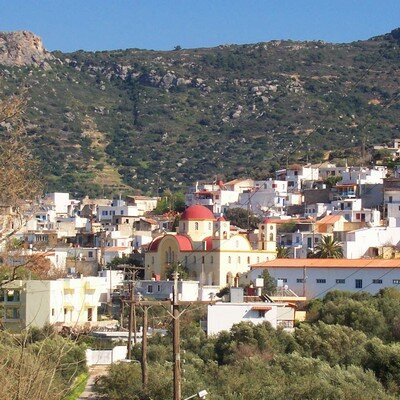
- Whitewashed villages
|
|

Crete is the largest Greek island, and it feels like a small country of its own. In one day you can walk round a Minoan palace in the morning and drink a glass of raki in a village square by evening. Some village squares look as if little has changed since the 1950s, apart from the WiFi, which is often good.
Variety is what sets Crete apart. The island has beaches with pink-tinged sand, mountains that carry snow in winter, and caves where Zeus was said to have been born. Cretans are known for their hospitality, and visitors are often handed a plate of food or a glass of raki they never ordered.
Many people come to Crete for a holiday and keep coming back. The wild gorges, the busy towns and the quiet villages, where some old men still ride a donkey to the kafeneio, are the reasons we stayed.
Exploring Crete’s Beaches – From Famous Shores to Secluded Coves
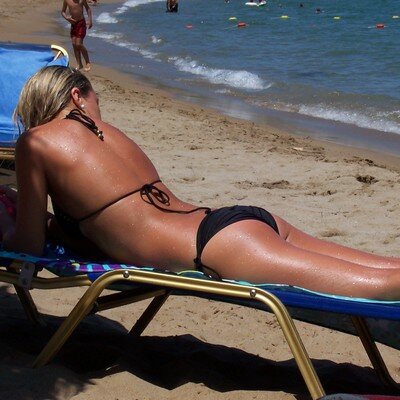
Crete has a great many beaches, from famous lagoons to small coves. The 2 most famous are Elafonissi Beach, with its pink-tinged sand, and Balos Lagoon, where shallow turquoise water surrounds rocky islets. Away from these busy spots, the island has plenty of quiet coves where the only sound is the waves.
The south coast is the place to escape the crowds. Its beaches are wilder and often take some effort to reach. Glyka Nera (Sweet Water Beach) can only be reached by boat or on foot. Paleochora has a sandy beach and a pebble beach on either side of the town, with fish tavernas close by.
Families with young children need shallow, sheltered water and sand for building castles. Our guide to family-friendly beaches lists the beaches that suit them.
Solitude is easy to find on Crete if you know where to look. Our guide to the secluded beaches in Crete covers rugged bays with clear water and very few people.
Top Attractions in Crete – Famous Landmarks and Quieter Sights
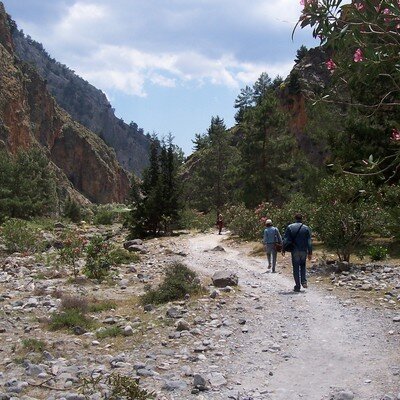
Crete’s top attractions are its ancient sites, its gorges and its villages. The most famous are the Palace of Knossos, linked in myth to the Minotaur, and the Samaria Gorge, one of the longest gorges in Europe. Away from these, the island has mountain villages, quiet beaches and smaller Minoan sites that few tour itineraries include.
Arkadi Monastery is a good example of a site with a deep story behind it. Its Venetian-era church and the events of 1866 made it a symbol of Cretan resistance. The village of Archanes, in the hills south of Heraklion, sits in wine country, and family-run wineries nearby offer tastings of Crete’s native grape varieties.
Where to Stay in Crete – Resorts, Villages & Accommodation Options
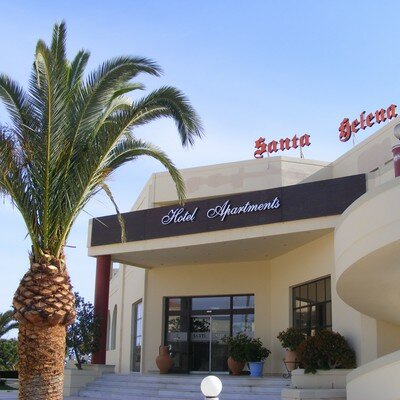
Where to stay in Crete depends on the holiday you want: a beach resort, a town or a village. The island has beachfront hotels, family-run village rooms and budget apartments for families.
Crete’s top hotels have infinity pools, five-star service and private beaches. Our guide to luxury hotels in Crete covers the main ones. A quieter choice is a small family-run guesthouse in a mountain village, where home cooking often comes with the room. Traditional accommodation in Crete ranges from small guesthouses to converted stone houses.
Coastal towns mix convenience with local life. Malia is known for its nightlife, and Chania for its Venetian old town and harbour. Families often like the long sandy beach at Rethymno, while walkers can base themselves near Agios Nikolaos for mountain hikes and boat trips.
Best Time to Visit Crete – Weather, Seasons & Festivals
When to visit Crete depends on what you want from the trip. For beach holidays, June to September brings hot days and almost constant blue skies, and the resorts are at their liveliest.
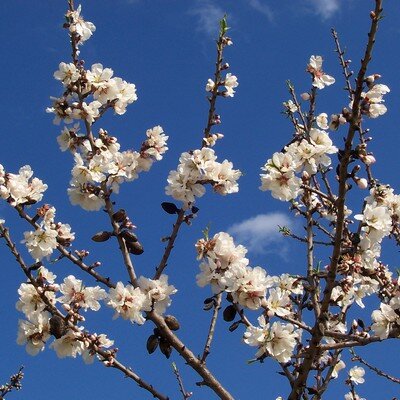
Spring (April–May) and autumn (late September–October) are cooler and quieter. Spring is when the wild flowers are out, and in autumn the sea is still warm after the summer.
Winter is cooler and wetter, and snow often lies on the high mountains. Many resort hotels close, but the towns and villages carry on as normal, so it is a good season for walking, sightseeing and local life. Festivals run through the year, from Easter in spring to the wine and raki festivals of autumn.
Each season has its own weather, sea temperature and crowds. Our Weather in Crete Guide covers the climate season by season.
Cretan Food & Drink – A Taste of the Mediterranean

Cretan food is simple village cooking built on olive oil, vegetables, wild greens and local cheese. Typical ingredients are ripe tomatoes, cucumbers, goat’s and sheep’s cheese and olives. A meal might be a plate of dakos (barley rusk topped with tomato and cheese) or lamb slow-cooked with wild herbs.
Fresh produce matters more than fancy cooking, so a village taverna often serves food as good as a smart harbour restaurant. Meals usually end with raki, the strong local spirit, poured as a welcome and a toast. Local wine, honey and Cretan olive oil are all worth trying.
Each part of the Cretan table has its own guide on the site. Start with Crete food and drink for dishes, wine and raki. Vegetarians can read our guide to vegetarian food in Crete, and the traditional Cretan diet guide explains the link between island food and long life.
Getting Around Crete – Transport, Car Hire & Local Travel Tips
Getting around Crete is easiest by hire car, though buses, taxis and boats cover much of the island. A car lets you reach quiet beaches and mountain villages that buses do not serve. Expect winding mountain roads and the odd herd of goats crossing in front of you.
Crete’s KTEL bus network links the main towns and resorts, so you can travel without driving. Taxis work well for short trips, and scooters and bicycles can be hired in the resorts. Ferries sail from Crete to other Greek islands for anyone who wants to add some island-hopping.
Each way of travelling has its own tips and pitfalls. Our guide to getting around Crete covers car hire, buses, taxis and campervans.
Essential Guides and Tips
Outdoor Adventures in Crete – Hiking the long-distance E4 trail across the island.
Living in Crete – A guide for expats and long-term visitors.
Explore More of Our Crete Travel Guide and Tips
Each picture below opens one of our main guides to Crete.